Workplace Equality
Oilfield Companies Sued for Widespread Sexual and Racial Harassment
Background
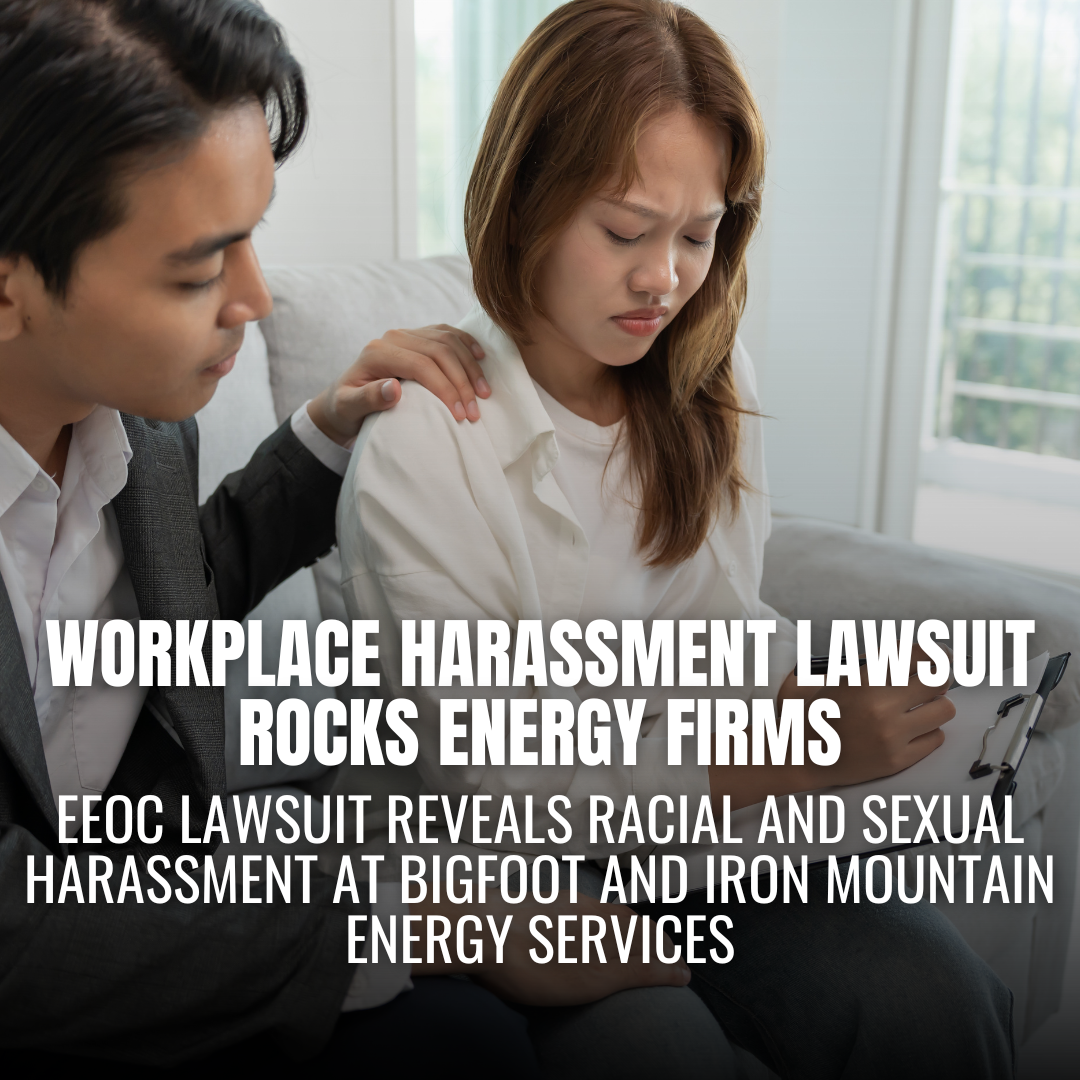
The U.S. Equal Employment Opportunity Commission (EEOC) has filed a lawsuit against Bigfoot Energy Services and Iron Mountain Energy Services, alleging systemic workplace harassment and retaliation. Both oilfield companies, operating as a single employer, were accused of fostering a hostile environment where employees faced both sexual and racial harassment, in violation of federal law.
Incident Details
According to the complaint, male employees at both companies regularly engaged in sexually explicit and racially offensive behavior. This included sharing pornographic material, making sexually degrading remarks toward female workers, and using racial slurs such as the N-word when referring to Black employees.
The EEOC alleges that when employees spoke up against this misconduct, management failed to take corrective action. Instead, workers who reported harassment were met with retaliation, including terminations that occurred shortly after their complaints. One male employee who objected to the sexual harassment was fired the very next day. Others who protested the racial slurs were dismissed within days.
Legal Background
These actions violate Title VII of the Civil Rights Act of 1964, a federal law that prohibits discrimination in the workplace based on race, color, sex, religion, or national origin. The law explicitly forbids harassment and retaliation against employees who report or oppose unlawful discrimination.
The EEOC filed the lawsuit (EEOC v. Bigfoot Energy Services, LLC, Case No. 24-2361) in the U.S. District Court for the Eastern District of Louisiana, following unsuccessful attempts to reach a settlement through its conciliation process.
Settlement and Relief
As the case proceeds, the EEOC seeks monetary compensation for affected employees, including back pay, damages, and reinstatement for those terminated. The agency also aims to secure injunctive relief, requiring both companies to implement anti-harassment policies, training programs, and mechanisms for employees to report misconduct without fear of retaliation.
Key Takeaways
- Accountability is non-negotiable: Employers are responsible for preventing and correcting harassment at every level, including management.
- Retaliation is illegal: Firing employees for reporting discrimination violates federal law and can result in serious legal and financial consequences.
- Training prevents liability: Comprehensive anti-harassment training helps build awareness and reduce misconduct before it escalates into legal action.
Conclusion
The case against Bigfoot Energy Services and Iron Mountain Energy Services highlights how deeply damaging unchecked harassment can be—not only to employees but also to a company’s reputation and future. Failing to address workplace discrimination risks costly lawsuits, employee turnover, and loss of public trust.
Recommendation — Build a Safer Workplace with TAP Series
Preventing harassment begins with education. TAP Series, the leader in online compliance training, helps organizations create respectful and legally compliant workplaces. Their Sexual Harassment Training equips employees and managers with the knowledge to identify, report, and prevent inappropriate behavior before it becomes a liability.
TAP Series understands that businesses are busy, so their flexible online courses make it easy to stay compliant with state and federal regulations. Partner with TAP Series today to protect your workforce and foster a culture of safety, respect, and accountability.