Federal Employment Discrimination Case
Concrete Companies Face Federal Lawsuit Over Methadone-Based Hiring Ban
Background
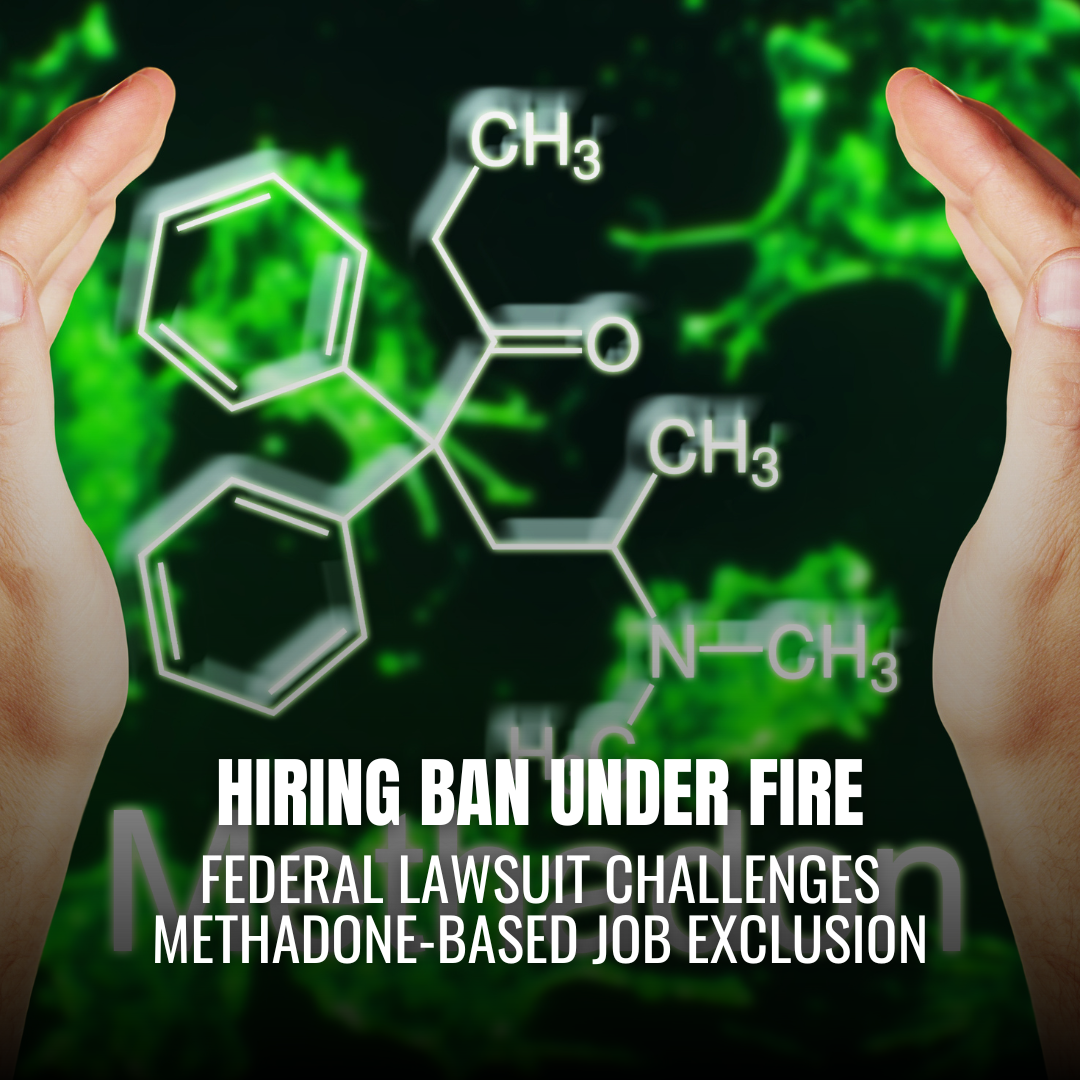
Two related concrete and construction companies—Wrightway Ready-Mix, LLC, and Wright Concrete & Construction, Inc.—are now facing a federal lawsuit after allegations that their hiring practices unlawfully excluded applicants undergoing medication-assisted treatment (MAT) for opioid addiction. The case centers on claims that applicants taking methadone were automatically disqualified under a company policy in place at the Delbarton, West Virginia facility.
Incident Details
According to the federal complaint, a job applicant visited Wrightway’s Delbarton location to apply for a laborer position. During the interview process, the hiring manager asked what medications he was taking. When the applicant disclosed that he was using methadone as part of treatment for opioid addiction, the manager informed him that Wrightway does not hire individuals who take methadone.
The applicant then spoke with the onsite head of human resources, who confirmed that the company followed a long-standing policy barring the hiring of workers using methadone. The lawsuit states that this policy was not limited to one individual but operated as a blanket exclusion affecting a broader class of potential workers.
Legal Background
The allegations fall under the Americans with Disabilities Act (ADA), which:
- Prohibits discrimination against qualified applicants and employees with disabilities, including those in recovery from opioid addiction.
- Forbids employers from asking job applicants questions likely to reveal a disability before extending a job offer.
- Prohibits qualification standards that screen out individuals with disabilities unless the standards are directly job-related and consistent with business necessity.
Medication-assisted treatment, including methadone use, is recognized under federal guidance as a legitimate and medically supported form of recovery. Automatically rejecting applicants based on MAT can constitute disability discrimination under the ADA.
The lawsuit, filed in the U.S. District Court for the Southern District of West Virginia (Case No. 2:25-cv-00711), was initiated after attempts to reach a voluntary settlement were unsuccessful.
Settlement and Relief Sought
The EEOC is seeking the following remedies:
- Back pay and compensatory damages for affected applicants
- Punitive damages
- Injunctive relief requiring Wrightway Ready-Mix and Wright Concrete & Construction to revise hiring policies
- Mandatory training on ADA compliance
- Implementation of hiring procedures that do not unlawfully exclude applicants undergoing medication-assisted treatment
At this stage, the case remains pending, and no settlement has been announced.
Key Takeaways
- Blanket hiring bans against individuals taking methadone or other MAT medications may violate the ADA.
- Employers cannot ask job applicants medical questions likely to reveal disabilities prior to a job offer.
- Qualification standards must be tied to essential job functions—not generalized assumptions about medication use or addiction history.
Conclusion
This lawsuit highlights ongoing federal scrutiny of employment practices affecting individuals recovering from opioid addiction. As medication-assisted treatment becomes more widely used, employers must ensure that their policies align with ADA requirements and do not inadvertently exclude protected workers. The outcome of this case may further clarify how federal disability laws apply to hiring practices involving MAT and could influence compliance expectations across industries facing similar workforce challenges.